Walkable Neighborhoods in St. Louis Park, MN
Quick Answer: West End leads St. Louis Park for walkability with mixed-use development, restaurants, and apartments within a compact area (Walk Score 70-80). Wolfe Park offers moderate walkability with local businesses along Minnetonka Boulevard. Areas near Minneapolis borders (Minikahda Vista, Park Commons) provide better pedestrian access than typical suburban SLP. Most of St. Louis Park requires cars for daily errands, with walkability limited to specific pockets. Home prices in walkable areas range $350,000-$550,000.
Setting Expectations: St. Louis Park Is Suburban
St. Louis Park functions as a first-ring Minneapolis suburb, not an urban neighborhood. Even the most walkable areas require cars for weekly groceries, Target runs, and medical appointments. Metro Transit serves the city with bus routes, but service runs less frequent than Minneapolis proper. What St. Louis Park offers is selective walkability—pockets where you can walk to coffee, restaurants, and parks regularly while keeping a car for everything else. Only West End approaches anything resembling urban walkability, and even residents there typically own vehicles.
West End: St. Louis Park's Walkable Core
West End, the mixed-use development roughly centered on Highway 100 and Excelsior Boulevard, represents St. Louis Park's most ambitious attempt at walkable urbanism. This planned development includes apartments, condos, restaurants, retail, and a Whole Foods at 3825 Market Street, all designed for pedestrian access. You can walk to Hazelwood Food & Drink at 3825 Minnesota Drive, grab coffee at Caribou Coffee at 3930 Market Street, and handle groceries at Whole Foods without driving—if you live in the West End development itself. The area includes the West End Cinema at 3836 Market Street and restaurants like Bonefish Grill at 3833 Excelsior Boulevard clustered within a few blocks.
Housing in West End
West End housing consists primarily of apartments and condos built in the 2000s-2010s as part of the planned development. One-bedroom apartments rent for $1,400-$1,900 monthly. Condos range $300,000-$550,000 depending on size and building amenities. Single-family homes exist on the periphery but don't capture the walkable core experience. The development includes underground parking, walkable plazas, and designed public spaces. You're living in a planned community that mimics urban density rather than organic neighborhood evolution. It works, but feels newer and more manufactured than historic urban neighborhoods.
Who Lives in West End
Young professionals, empty nesters downsizing, and couples without kids dominate West End demographics. The area attracts people who want to ditch yard work and minimize driving without moving to downtown Minneapolis. Young Professional Areas in St. Louis Park covers West End's appeal to this demographic in more detail. Trade-offs include smaller living spaces (800-1,200 sq ft typical), limited yard access, and feeling disconnected from traditional St. Louis Park neighborhoods. You're in a bubble—walkable within the development but still driving to most other parts of the city.
Wolfe Park: Neighborhood Walkability
Wolfe Park, bounded roughly by Minnetonka Boulevard to the north, Highway 100 to the east, Lake Street to the south, and Dakota Avenue to the west, offers traditional neighborhood walkability. This established area puts residents walking distance to Minnetonka Boulevard's commercial strip and Wolfe Park itself at 3700 Monterey Drive. Local businesses along Minnetonka Boulevard include restaurants like D-Spot Wings at 4804 Excelsior Boulevard and services scattered along the commercial corridor. You can walk to neighborhood parks, grab coffee, and access some dining, but major grocery shopping requires driving to Lunds & Byerlys at 3777 Park Center Boulevard or Cub Foods at 5440 Excelsior Boulevard.
Housing Stock and Character
Wolfe Park features single-family homes from the 1940s-1970s with mature trees and established yards. Home prices range $375,000-$500,000 for 1,500-2,000 square foot properties on 6,000-8,000 square foot lots. The neighborhood has sidewalks, tree-lined streets, and actual neighborhood character unlike newer developments. Families appreciate the parks, schools, and residential feel. The area doesn't offer dense urban walkability but provides enough local amenities within walking distance to feel less car-dependent than typical suburban areas. Living in Wolfe Park: Complete Guide provides comprehensive detail on this neighborhood's layout and lifestyle.
Practical Walkability
Wolfe Park residents walk for recreation and occasional errands, not comprehensive car-free living. You'll walk the dog, visit local coffee shops, and take kids to the park on foot. But weekly groceries, Target runs, and appointments require driving. It's neighborhood walkability, not urban walkability.
Minikahda Vista: Premium Location, Limited Walkability
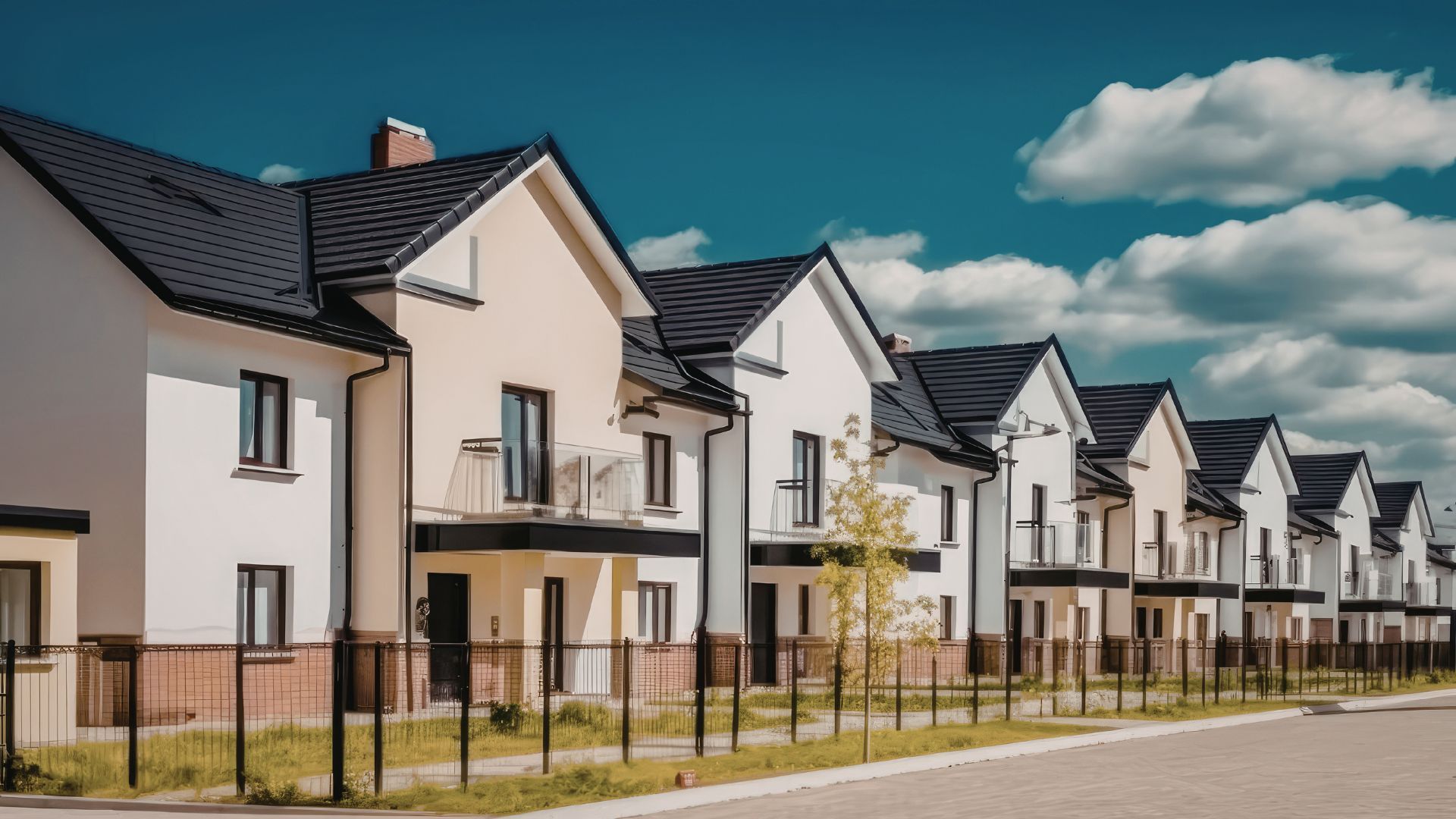
Minikahda Vista sits in southwest St. Louis Park bordering the Minikahda Club golf course. This upscale neighborhood offers beautiful homes, tree-lined streets, and proximity to Minneapolis but limited commercial walkability. The area's appeal lies in residential quality and schools rather than pedestrian access to services. The neighborhood borders Minneapolis's Linden Hills area, which offers more walkable commercial districts along 43rd Street. Some Minikahda Vista residents walk or bike across city borders to access Minneapolis amenities, though this requires commitment given distances.
What You're Paying For
Home prices run $425,000-$575,000 for well-maintained properties with larger lots (8,000-10,000+ sq ft). You're paying for location near Minneapolis, St. Louis Park Public Schools, and residential prestige—not walkability. The area requires cars for everything except walking to neighbors' houses and local parks.
Park Commons and Minneapolis Border Areas
Areas along St. Louis Park's eastern border with Minneapolis gain walkability from proximity to Minneapolis neighborhoods. Park Commons, the area around Louisiana Avenue and Excelsior Boulevard near Minneapolis, provides access to both cities' amenities. Residents here walk or bike into Minneapolis's St. Louis Park and Bryn Mawr neighborhoods for additional restaurants and services. The Minneapolis Parks system becomes accessible, including trails around Cedar Lake and Brownie Lake.
Hybrid Walkability
This isn't pure St. Louis Park walkability—you're benefiting from Minneapolis proximity. Home prices range $350,000-$475,000 for older homes (1950s-1970s) in varying condition. The area attracts buyers wanting St. Louis Park addresses and taxes while accessing Minneapolis amenities.
Why Most of St. Louis Park Isn't Walkable
Suburban Development Pattern
St. Louis Park developed as a post-WWII suburb with car-dependent patterns—residential areas separated from commercial strips, wide streets designed for driving, and shopping centers with massive parking lots. Most neighborhoods consist of single-family homes on quiet streets far from commercial services. Areas like Westwood Hills, Park Nicollet, and neighborhoods south of Highway 7 require cars for absolutely everything. These areas offer different benefits—larger lots, newer homes, quieter streets—but walkability isn't among them. You drive to Byerly's, drive to coffee, drive to restaurants.
Commercial Strip Development
St. Louis Park's commercial areas cluster along car-oriented corridors—Excelsior Boulevard, Highway 7, France Avenue. These strips feature parking lots between sidewalks and businesses, making walking unpleasant even when technically possible. You might walk within a shopping center's parking lot but won't walk from your home to these commercial areas. City of St. Louis Park planning documents show efforts to improve pedestrian infrastructure, but decades of car-oriented development can't transform overnight.
Transit Limitations
Metro Transit runs several routes through St. Louis Park, with more frequent service along major corridors and to/from Minneapolis. The Green Line light rail doesn't reach St. Louis Park—the closest station sits in Minneapolis. Bus routes work for specific commutes but don't replace car ownership.
Biking: Better Than Walking
St. Louis Park's bike infrastructure exceeds its walking infrastructure. The Cedar Lake Trail runs through the city connecting to Minneapolis and western suburbs. Protected bike lanes on some streets improve safety. Relatively flat terrain makes biking practical. West End, Wolfe Park, and border areas work better for biking than walking for distances over half a mile. Biking to Minneapolis from eastern St. Louis Park takes 15-20 minutes versus 45+ minute walks. Many residents bike seasonally (May through October) and drive in winter.
Winter Reality
Minnesota winters eliminate walking and biking as regular transportation for most people November through March. Snow, ice, and sub-zero temperatures make driving the only practical option. Even West End residents drive during winter months despite living in the city's most walkable area.
Pros and Cons of Walkable St. Louis Park
West End
Pros:
- Most walkable area in St. Louis Park with restaurants, grocery, entertainment
- Newer construction with modern amenities and underground parking
- Low maintenance—no yard work or exterior upkeep
- Strong sense of community within the development
Cons:
- Expensive per square foot with significant HOA fees
- Limited to apartments/condos—no single-family homes
- Still need car for most of St. Louis Park and winter driving
- Feels like planned development rather than organic neighborhood
Wolfe Park
Pros:
- Traditional neighborhood with character and mature trees
- Single-family homes with yards on established lots
- Some walkable amenities along Minnetonka Boulevard
- Parks and schools within walking distance
Cons:
- Still car-dependent for major errands and groceries
- Older homes (1940s-1970s) may need updates
- Limited commercial density compared to urban areas
- Winter makes walking impractical for months
Decision Framework: Is Walkability Worth It?
Choose West End If You:
- Want maximum walkability St. Louis Park offers
- Prefer apartment/condo living over single-family homes
- Don't need yards or significant outdoor space
- Value low-maintenance living and modern amenities
- Work in Minneapolis and want shorter commute
- Accept higher costs for walkable lifestyle
Choose Wolfe Park If You:
- Want single-family home with yard and neighborhood character
- Appreciate some walkability without urban density
- Prefer established neighborhoods with mature landscaping
- Need more space than condos/apartments provide
- Value traditional neighborhood feel
- Accept car dependency for most errands
Skip Walkable Areas If You:
- Work in western suburbs (Eden Prairie, Minnetonka)
- Need 2,500+ square feet and large yards
- Have multiple kids requiring carpool logistics
- Want to maximize home size for budget
- Don't mind driving for all activities
- Prefer newer construction in quieter areas Most St. Louis Park residents choose car-dependent neighborhoods and accept suburban living as normal.
Walkability appeals to specific demographics—young professionals, empty nesters, and urban-minded individuals without kids—not the broader market. For comprehensive context on St. Louis Park neighborhoods and deciding which trade-offs match your priorities, St. Louis Park City Guide: Everything You Need to Know covers all area types and helps frame the walkability question within broader housing decisions.
The honest reality: if walkability is your top priority, Minneapolis proper offers far better options than St. Louis Park. But if you want suburban St. Louis Park living with some walkable amenities, West End and Wolfe Park deliver the best available in the city. Just expect suburban walkability—limited, weather-dependent, and still requiring car ownership—not urban car-free living.